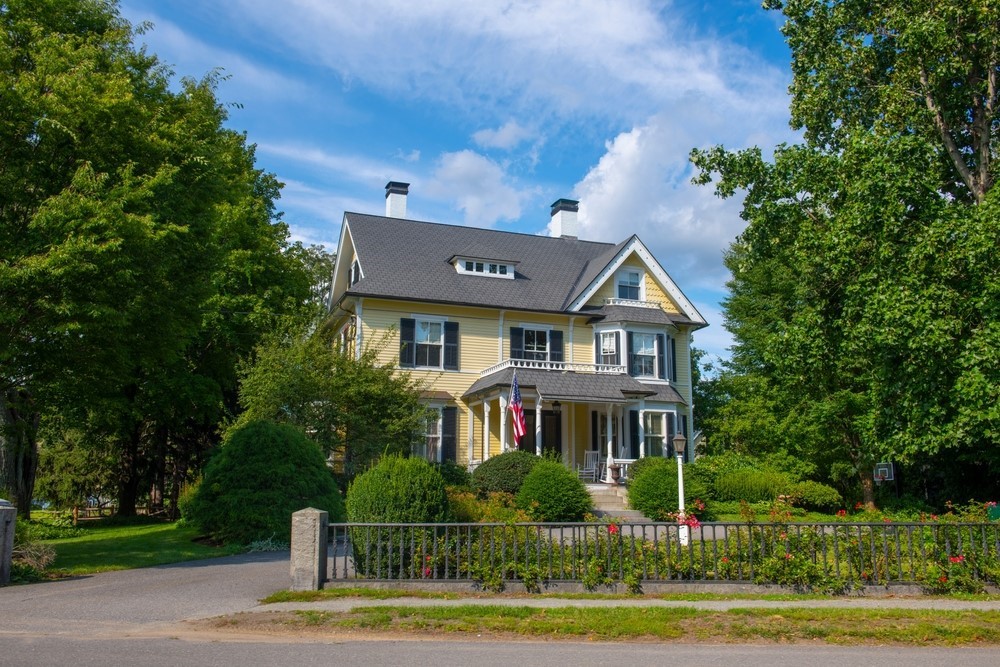
Most asphalt shingle roofs last 20–30 years, but climate, ventilation, and maintenance can significantly affect lifespan. Some roofs fail much earlier due to storm damage or poor attic airflow, while others last decades longer with proper care and maintenance.
At TIMEPROOFUSA Roofing, homeowners often ask us, “how long does a roof last?” The answer depends on several factors, including roofing material, local weather conditions, installation quality, and how well the roof is maintained over time. Understanding your roof replacement timeline can help you plan ahead and avoid costly emergency repairs.
How Long Different Roofing Materials Last
Not all roofing systems are built the same. Some materials are designed for affordability and shorter lifespans, while others offer long-term durability and weather resistance.
Asphalt Shingle Roof Lifespan
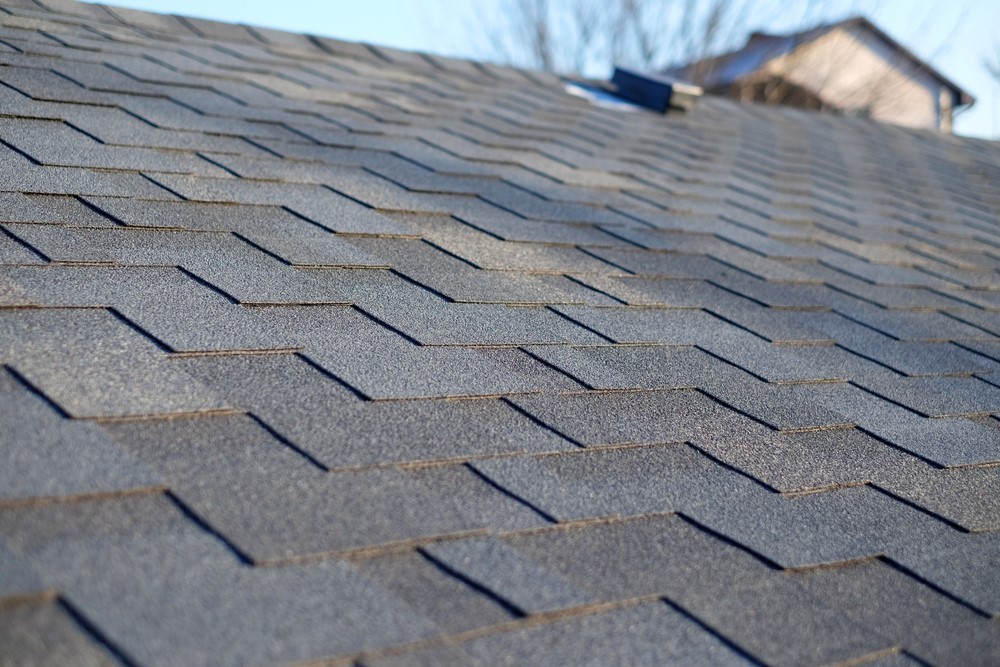
Asphalt shingles are the most common roofing material in the country because they are cost-effective and reliable. A standard asphalt shingle roof lifespan is typically between 20 and 30 years.
However, several factors can shorten or extend that lifespan, including:
- Severe weather exposure
- Poor attic ventilation
- Improper installation
- Lack of maintenance
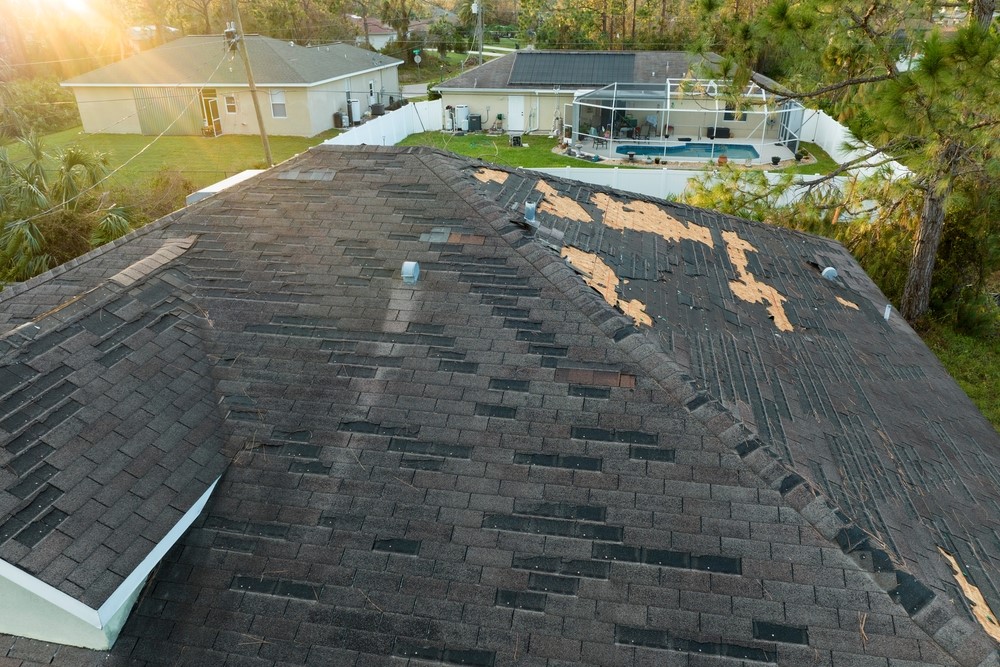
- Frequent storm damage
Architectural shingles often last longer than traditional three-tab shingles because they are thicker and more durable. In many cases, architectural shingles can last 30 years or more with proper care.
Metal Roof Lifespan
Metal roofs are known for their exceptional durability and longevity. A typical metal roof lifespan ranges from 40 to 70 years depending on the material and installation quality.
Metal roofing also performs well against wind, rain, and hail, making it popular in areas with frequent storms. While the upfront cost is usually higher than asphalt shingles, many homeowners choose metal roofs for their long-term value and reduced maintenance needs.
Architectural Shingles vs. Standard Shingles
Architectural shingles offer better durability, wind resistance, and lifespan compared to standard asphalt shingles. Because of their layered design, they are often more resistant to storm damage and aging.
For homeowners thinking long-term, architectural shingles can provide a strong balance between affordability and performance.
How Climate Affects Roof Lifespan
Climate plays a major role in determining how long a roof lasts. Roofs in areas with extreme weather conditions often wear out faster than roofs in milder climates.
Common climate-related factors include:
- High winds that loosen or remove shingles
- Hail that damages protective surfaces
- Heavy rain that increases moisture exposure
- Freeze and thaw cycles that expand cracks
- Extreme heat and UV exposure that age materials faster
Storm-prone regions often experience shorter roof replacement timelines due to repeated weather stress. Even high-quality roofs can deteriorate faster when exposed to constant severe weather.
Why Ventilation Matters More Than Homeowners Realize
Proper attic ventilation is one of the most overlooked factors affecting roof lifespan. Poor ventilation traps heat and moisture inside the attic, which can damage both roofing materials and structural components.
In summer, trapped heat can cause shingles to age prematurely. During colder months, moisture buildup can lead to mold, wood rot, and insulation problems.
Good ventilation helps regulate attic temperatures and reduces moisture buildup year-round. This can significantly extend the lifespan of your roofing system.
Maintenance Habits That Extend Roof Life
Routine maintenance can make a major difference in how long your roof lasts. Small issues that are repaired early often prevent larger structural problems later.
Helpful maintenance habits include:
- Scheduling annual roof inspections
- Cleaning gutters regularly
- Removing debris from the roof surface
- Trimming overhanging tree branches
- Addressing damaged shingles quickly
Regular inspections also help identify storm damage before leaks and interior water damage develop.
Warning Signs Your Roof May Need Replacement
Even durable roofs eventually reach the end of their lifespan. Knowing the warning signs can help homeowners prepare before major problems occur.
Common signs your roof replacement timeline may be approaching include:
- Curling or cracked shingles
- Frequent leaks or water stains
- Missing shingles after storms
- Sagging roof sections
- Excessive granules in gutters
- Visible daylight in the attic
If your roof is showing multiple signs of aging, it may be time for a professional assessment.
FAQ About Roof Lifespan
How often should roofs be replaced?
Most asphalt shingle roofs are replaced every 20 to 30 years, while metal roofs can last 40 years or longer depending on maintenance and climate conditions.
What type of roof lasts longest?
Metal roofing is one of the longest-lasting residential roofing materials available, often lasting 40 to 70 years.
Can a roof last 40 years?
Yes. Metal roofs and some premium architectural shingles can last 40 years or more when properly installed and maintained.
Plan Ahead for Your Roof’s Future
Understanding how long a roof lasts helps homeowners make informed decisions about maintenance, repairs, and replacement planning. Roofing material, climate, ventilation, and upkeep all play major roles in determining your roof’s lifespan.
At TIMEPROOFUSA Roofing, we help homeowners evaluate roof conditions and understand their roof replacement timeline before costly problems develop. Whether you have questions about asphalt shingle roof lifespan or metal roof lifespan, our team is here to help.
Schedule a roof lifespan assessment with TIMEPROOFUSA Roofing today.
Tags
Subscribe to TIMEPROOFUSA's Blog




Comments