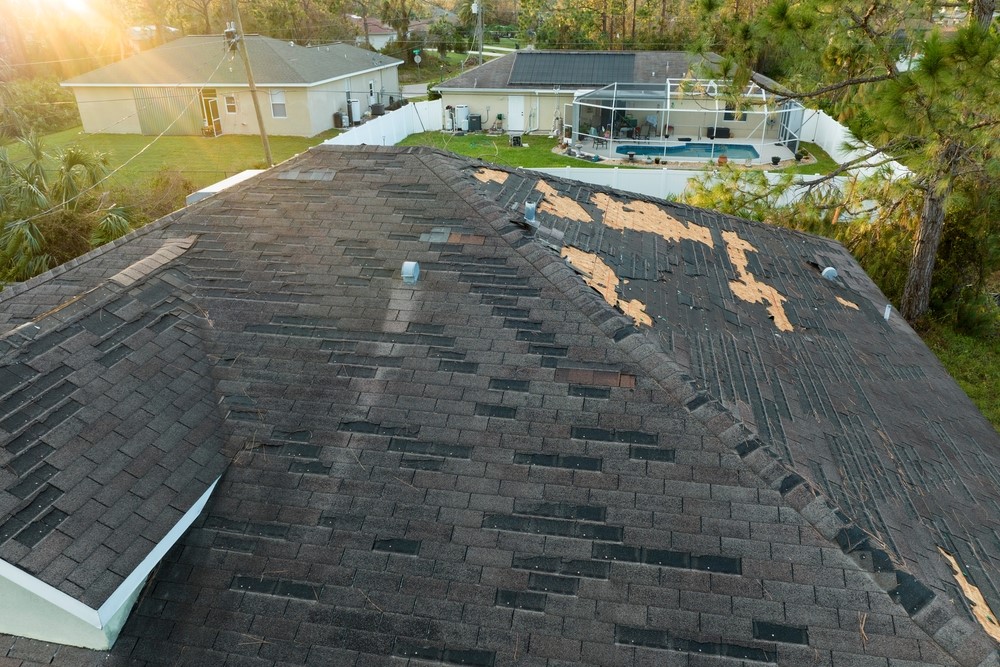
One of the biggest roofing myths is that storm damage only matters if your roof leaks immediately. In reality, many forms of storm damage stay hidden for weeks or even months before noticeable problems appear inside the home. Wind, hail, and heavy rain can weaken roofing materials long before water stains or leaks develop.
At TIMEPROOFUSA, we help homeowners separate fact from fiction when it comes to storm-related roofing problems. Many storm damage roof myths cause homeowners to delay inspections, repairs, or insurance claims, which can lead to more expensive damage later. Understanding the truth behind these roof damage misconceptions can help protect both your home and your budget.
Myth #1: “If There’s No Leak, There’s No Damage”
This is one of the most common storm roof repair FAQs we hear from homeowners. The truth is that roof damage often starts long before leaks become visible.
Wind can loosen shingles without immediately exposing the roof underneath. Hail can bruise shingles and knock away protective granules, weakening the roof over time. Flashing may crack or shift during storms while still keeping water out temporarily.
By the time a leak appears inside the home, moisture may have already caused damage to insulation, decking, or structural materials. That is why professional inspections after storms are so important.
Fact:
Hidden damage can exist even if your roof looks normal from the ground.
Myth #2: “Missing Shingles Are Only Cosmetic”
Many homeowners assume a few missing shingles are not a serious problem. Unfortunately, this is one of the more dangerous roof damage misconceptions.
Shingles are your roof’s first layer of protection against water intrusion. When shingles go missing, the materials underneath become exposed to rain, wind, and moisture.
Even small areas of missing shingles can lead to:
- Roof leaks
- Mold growth
- Rotting wood decking
- Interior water damage
- Increased structural risks
Delaying repairs often allows damage to spread, especially during spring storm season.
Fact:
Missing shingles may start small but can quickly lead to major repairs.
Myth #3: “Insurance Covers Everything Automatically”
One of the biggest roof insurance myths is that homeowners insurance will automatically pay for all storm damage.
Insurance coverage depends on several factors, including the age of the roof, policy details, documentation, and how quickly the damage is reported. Many claims are denied or reduced because homeowners wait too long to file or fail to document the damage properly.
After a storm, it is important to schedule an inspection quickly and keep records of any visible damage. Acting early improves the chances of a smoother claims process.
Fact:
Insurance companies often require timely reporting and clear documentation of storm damage.
Myth #4: “Storm Damage Can Wait Until Later”
Many homeowners postpone repairs because the damage seems minor at first. However, delaying action is one of the biggest reasons small roofing problems become expensive structural repairs.
Wind and hail damage weaken roofing systems over time. Rain, freeze and thaw cycles, and future storms can make existing damage worse. Small openings can allow moisture to spread into insulation, walls, ceilings, and attic spaces.
Waiting too long can also create insurance challenges if the provider believes the damage worsened due to lack of maintenance.
Fact:
Addressing storm damage early is often far less expensive than waiting.
Myth #5: “New Roofs Can’t Get Storm Damage”
A newer roof may be more durable, but no roof is completely immune to severe weather. Strong winds, hail, and flying debris can damage roofs of any age.
Some hail damage roof facts surprise homeowners because hail may not puncture the roof immediately. Instead, hail can create bruising or weaken shingles, reducing the roof’s lifespan over time.
Even newly installed roofs should be inspected after major storms to identify hidden issues early.
Fact:
Storms can damage both old and new roofs depending on weather severity.
Understanding Insurance Timelines
Many homeowners are unsure how quickly they need to act after storm damage occurs. While timelines vary by insurance provider and policy, waiting too long can create problems.
Most insurance companies expect homeowners to report damage promptly after discovering it. Delays may lead to disputes over whether the storm caused the damage or whether neglect made it worse.
Scheduling a professional assessment soon after a storm helps establish documentation and supports the claims process.
FAQ About Storm Damage and Insurance
How long do I have to file a roof claim?
Claim timelines vary by insurance company and state regulations. However, homeowners should report storm damage as soon as possible to avoid claim complications.
Can wind damage loosen shingles without causing leaks?
Yes. Wind can lift or loosen shingles without immediate leaks. Over time, these weakened areas become vulnerable to water intrusion.
Will insurance pay for old roofs?
Coverage depends on the age of the roof, policy terms, and the extent of storm damage. Some policies may reduce payouts for older roofs.
Protect Your Roof Before Hidden Damage Gets Worse
Storm damage is not always obvious, and believing common roofing myths can lead to expensive problems later. Missing shingles, hidden hail damage, and delayed repairs all increase the risk of long-term structural issues.
At TIMEPROOFUSA, we provide professional storm assessments to help homeowners identify hidden damage and understand their repair and insurance options. Whether you are concerned about hail damage roof facts or navigating roof insurance myths, our team is here to help.
Get a professional storm assessment before hidden damage worsens.
Tags
Subscribe to TIMEPROOFUSA's Blog






Comments