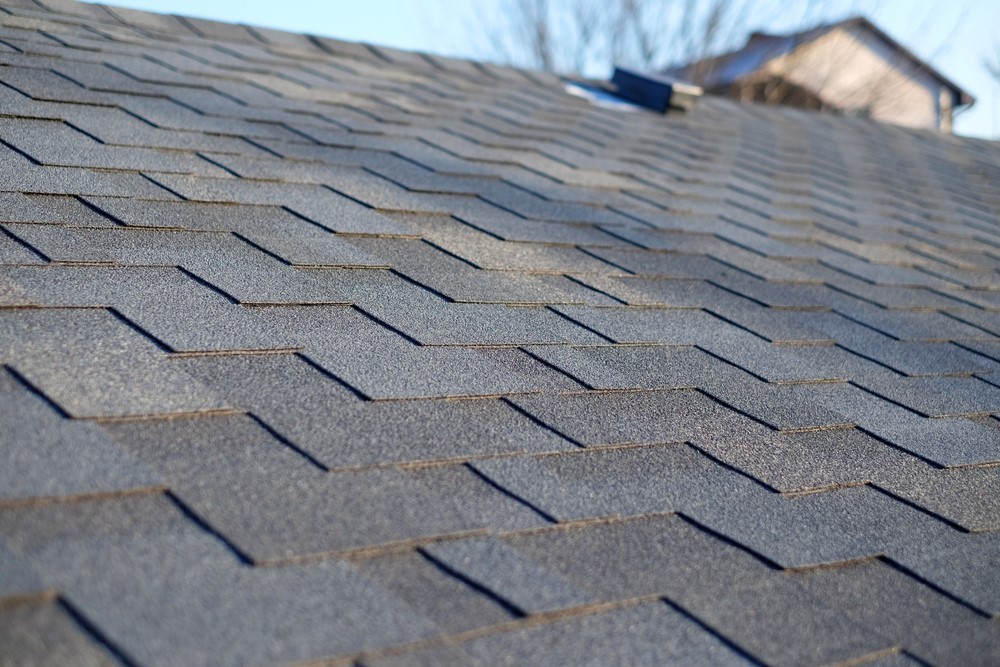
Waiting too long to replace your roof can lead to structural damage, insulation problems, mold, and higher long-term costs. What may begin as a small leak or a few damaged shingles can quickly grow into a much larger and more expensive problem.
At TIMEPROOFUSA Roofing, we often meet homeowners who hoped to get one more season out of an aging roof. While that may seem like a cost-saving decision, delaying roof replacement often results in more damage and bigger repair bills. Understanding the signs you need a new roof can help you protect your home before minor issues become major expenses.
Small Leaks Rarely Stay Small
One of the biggest misconceptions homeowners have is that a small roof leak is not urgent. In reality, water has a way of finding paths into areas you cannot easily see.
A minor leak can spread through:
- Roof decking
- Attic insulation
- Ceiling materials
- Interior walls
- Structural framing
By the time water stains appear inside your home, moisture may have already caused significant damage behind the scenes.
When homeowners are delaying roof replacement, leaks often become the first warning sign that the roof has reached the end of its useful life.
Old Roof Problems Can Lead to Structural Damage
Your roof is your home's first line of defense against the elements. When roofing materials begin to fail, the structure underneath becomes vulnerable.
Over time, moisture can weaken wood framing and roof decking. This can lead to sagging areas, rotting materials, and costly structural repairs.
The longer an old roof remains in service after it begins failing, the greater the risk of widespread damage. What may have been solved with a roof replacement can eventually require structural reconstruction as well.
Insulation Deterioration Increases Energy Costs
Many homeowners do not realize that roof damage often affects insulation long before obvious leaks develop.
When water enters the attic, insulation absorbs moisture and loses its effectiveness. Wet insulation cannot properly regulate indoor temperatures, forcing your heating and cooling systems to work harder.
This can lead to:
- Higher energy bills
- Reduced indoor comfort
- Increased HVAC strain
- Poor temperature control throughout the home
Replacing an aging roof before leaks spread can help protect both your insulation and your utility budget.
Mold and Moisture Problems Can Develop Quickly
Moisture trapped inside attics and wall cavities creates ideal conditions for mold growth. Once mold develops, remediation can become expensive and disruptive.
Common warning signs include:
- Musty odors
- Dark stains on ceilings or walls
- Increased indoor humidity
- Visible mold growth in attic spaces
One of the most serious old roof problems is hidden moisture damage. Homeowners often discover mold only after it has already spread through insulation and building materials.
Delaying Roof Replacement Often Increases Overall Costs
Many homeowners postpone roof replacement because they want to avoid a large expense. Unfortunately, waiting often increases the total cost of ownership.
Consider the difference:
A roof replaced at the right time typically involves roofing materials, labor, and standard installation costs.
A roof replaced after years of deterioration may require:
- Decking replacement
- Mold remediation
- Insulation replacement
- Interior drywall repairs
- Structural repairs
The cost difference can be substantial.
In many cases, delaying roof replacement transforms a straightforward roofing project into a much larger restoration project.
Insurance Complications May Arise
Insurance companies generally expect homeowners to maintain their property and address damage in a timely manner.
If roof problems are allowed to worsen over time, insurance providers may determine that some of the resulting damage was caused by neglect rather than a covered event.
This can complicate claims involving:
- Water damage
- Mold growth
- Structural deterioration
- Interior repairs
Addressing the signs you need a new roof early can help homeowners avoid potential insurance challenges later.
Common Signs You Need a New Roof
Recognizing roofing issues early can help prevent larger problems from developing.
Watch for these warning signs:
- Frequent leaks or water stains
- Missing or damaged shingles
- Curling or cracking shingles
- Excessive granules in gutters
- Sagging roof sections
- Visible daylight in the attic
- A roof approaching the end of its expected lifespan
If several of these issues are present, it may be time for a professional evaluation.
FAQ About Delaying Roof Replacement
Can you wait to replace a roof?
Sometimes minor repairs can extend a roof's life temporarily. However, if the roof is aging or experiencing widespread issues, delaying replacement often increases repair costs and damage risks.
How bad can roof damage get?
Severe roof damage can lead to structural deterioration, mold growth, insulation failure, interior water damage, and costly repairs throughout the home.
What happens if a roof leaks for years?
Long-term leaks can rot wood framing, destroy insulation, damage ceilings and walls, encourage mold growth, and compromise the overall structure of the home.
Protect Your Home Before Problems Multiply
The longer roofing problems are ignored, the more expensive they typically become. Small leaks, aging shingles, and hidden moisture can all create serious consequences when left unaddressed.
At TIMEPROOFUSA Roofing, we help homeowners identify the signs you need a new roof and provide honest recommendations based on the condition of your roofing system. Whether you are concerned about old roof problems or wondering if delaying roof replacement is worth the risk, our team is here to help.
Get an expert opinion before minor issues become major expenses.
Tags
Subscribe to TIMEPROOFUSA's Blog



Comments