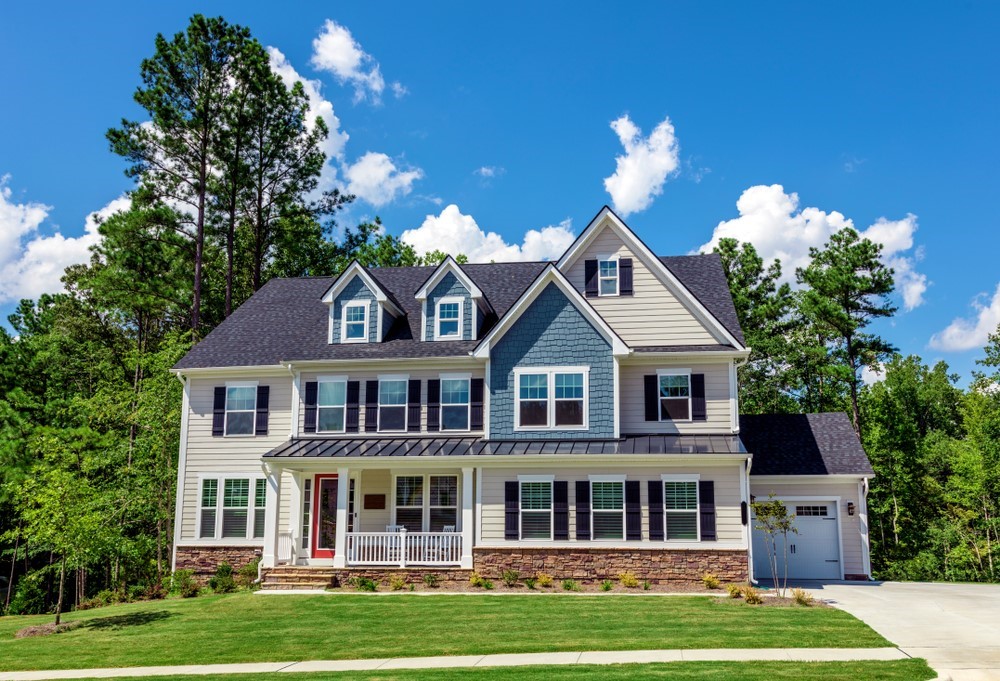
Replacing your roof is one of the most important investments you can make in your home. A new roof protects your family, improves energy efficiency, and helps maintain your property's value. However, many homeowners are surprised to discover that roof replacement cost can vary significantly from one project to another.
If you have received multiple estimates, you may be wondering why the numbers are so different. The truth is that many factors affect the cost of a new roof, including materials, labor, roof design, and the condition of the existing structure. Understanding these factors can help you make an informed decision and choose the right roofing solution for your home.
What Impacts Roof Replacement Cost?
The biggest factors that affect roof replacement cost include:
- Roof size and complexity
- Roofing material selection
- Existing roof condition
- Ventilation and waterproofing systems
- Installation quality and labor
- Local building codes and climate
- Warranty coverage
- Seasonal demand and scheduling
Each of these factors plays a role in determining the final investment required for your roofing project.
Roof Size and Complexity Matter
One of the first things contractors evaluate is the size of the roof. Roofing projects are typically measured in "squares," with one square representing 100 square feet of roofing area.
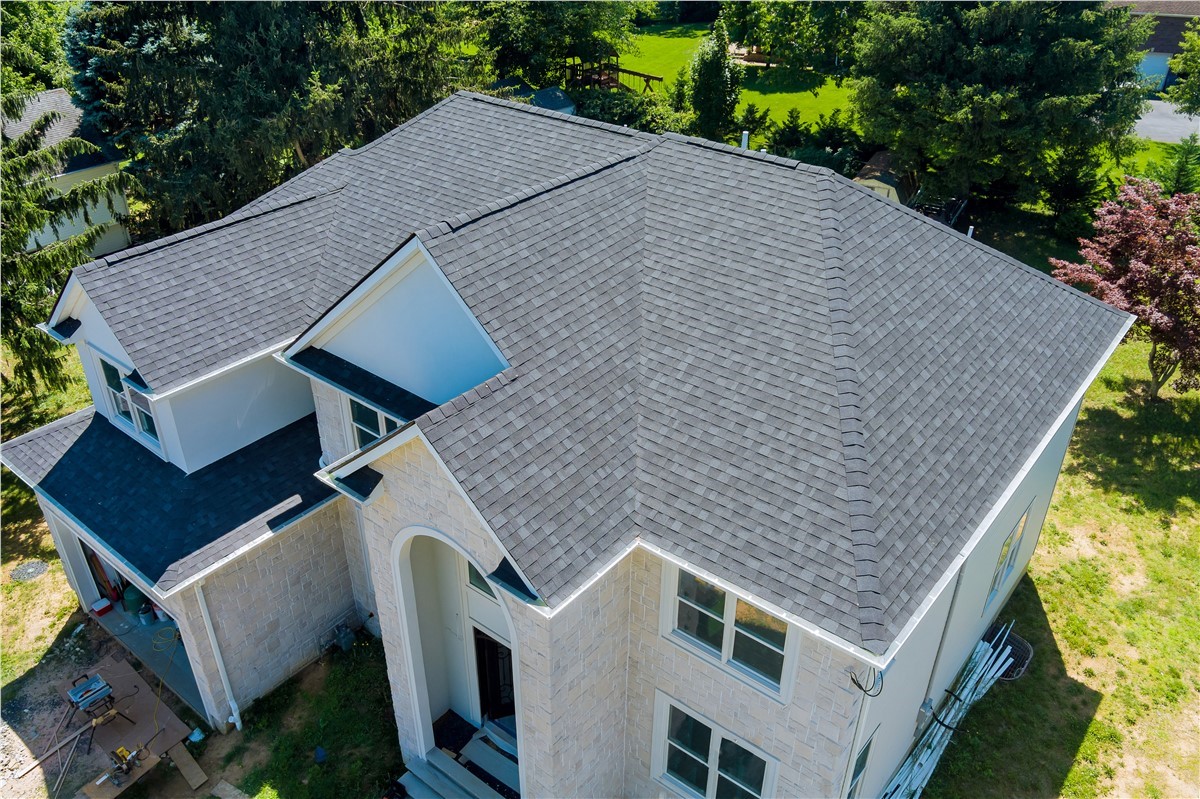
However, square footage alone does not determine the full cost. Roofs with steep slopes, multiple levels, dormers, skylights, valleys, and chimneys require more labor and materials. These features increase installation complexity and often require additional safety equipment and specialized techniques.
In general, the more complex the roof design, the higher the overall roof replacement cost.
Roofing Material Selection Affects Long-Term Value
The type of roofing material you choose has a significant impact on both upfront cost and long-term performance.
Common roofing materials include:
- Architectural asphalt shingles
- Designer shingles
- Metal roofing
- Tile roofing
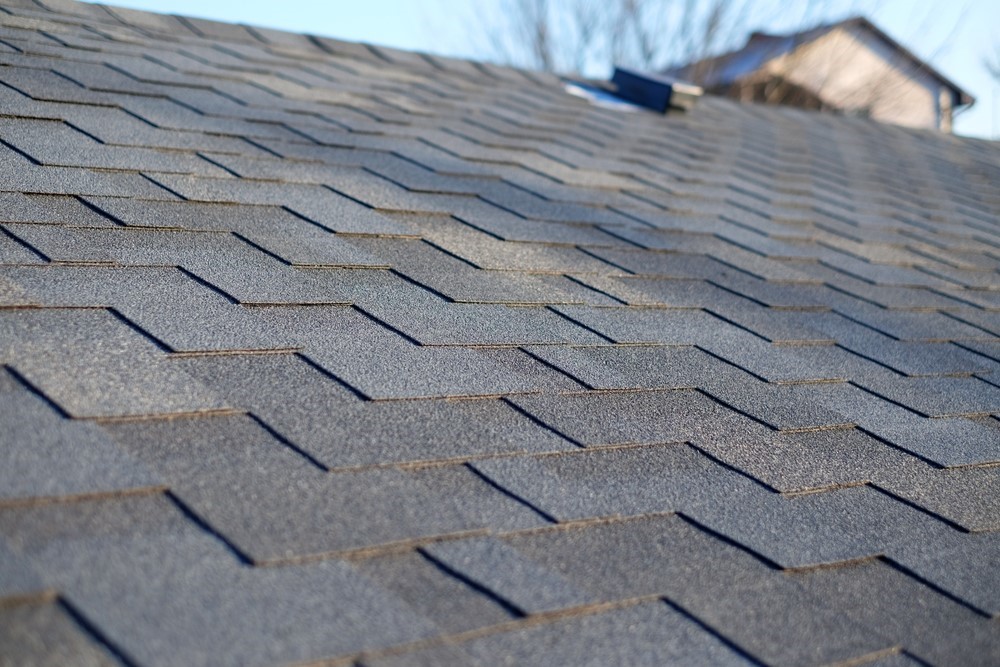
Architectural shingles remain one of the most popular options because they provide durability and value. Metal roofing offers exceptional longevity, while tile roofing can provide premium curb appeal and lifespan.
When comparing options, homeowners should consider not only the initial investment but also maintenance requirements, expected lifespan, and overall return on investment.
Hidden Roof Problems Can Increase Costs
Sometimes the most important factors affecting roof replacement cost are hidden beneath the existing shingles.
During a roof replacement, contractors may uncover issues such as damaged decking, moisture intrusion, wood rot, poor ventilation, or previous installation mistakes. These underlying problems must be corrected to ensure the new roofing system performs properly.
While homeowners may not anticipate these repairs, addressing them during installation helps prevent larger structural problems and costly repairs in the future.
Ventilation and Protection Systems Matter
A roofing system is much more than shingles alone. Proper ventilation and protective components play a critical role in the lifespan and performance of your roof.
Important roofing components often include ridge vents, intake ventilation, synthetic underlayment, flashing systems, and waterproof barriers.
These systems help:
- Improve energy efficiency
- Reduce moisture buildup
- Extend roof lifespan
- Protect against leaks
- Improve overall performance
Investing in these components can help homeowners maximize the value of their new roof.
Why Installation Quality Is So Important
Not all roofing estimates include the same materials, installation standards, or warranty coverage. Lower-priced quotes sometimes reflect shortcuts that may affect long-term performance.
When evaluating roofing contractors, homeowners should look beyond the final price and consider:
- Manufacturer certifications
- Installation methods
- Warranty coverage
- Online reviews
- Insurance protection
- Experience and reputation
A properly installed roof often delivers greater value over time than a lower-priced installation that may require future repairs.
Climate and Location Affect Roofing Costs
Where you live can influence both roofing requirements and overall project costs.
Factors that may impact pricing include local labor rates, permit requirements, weather exposure, building codes, and regional installation standards.
Homes located in areas with severe weather often require additional protection against wind, heavy rain, snow, ice, or freeze-thaw cycles. These upgrades can affect the total investment but may provide valuable long-term protection.
Does Timing Affect Roof Replacement Cost?
Roofing demand tends to fluctuate throughout the year. Spring and summer are often the busiest seasons for roofing contractors, while fall and winter may offer greater scheduling flexibility.
During peak demand periods, homeowners may experience:
- Longer wait times
- Limited scheduling availability
- Increased material demand
Planning ahead allows homeowners to explore more options and schedule projects before seasonal demand reaches its highest levels.
Frequently Asked Questions About Roof Replacement Cost
How much does a new roof cost?
The cost of a new roof depends on factors such as roof size, material selection, labor requirements, and any underlying repairs that may be needed. A professional inspection is the best way to receive an accurate estimate.
Why are roofing quotes so different?
Different contractors may use different materials, installation methods, warranty packages, and labor standards. Comparing estimates carefully helps ensure you understand what is included.
Does insurance cover roof replacement?
Insurance may cover roof replacement when damage results from a covered event such as hail, wind, or severe storms. Coverage depends on your policy and the condition of the roof.
Is a more expensive roof worth it?
In many cases, higher-quality materials and professional installation provide better durability, longer lifespans, and stronger warranty protection, creating greater long-term value.
Get Expert Guidance on Your Roof Replacement Options
Every roof is different, which is why there is no one-size-fits-all answer when it comes to roof replacement cost. The best way to understand your options is through a professional assessment that evaluates the condition of your roof, identifies potential issues, and outlines the most cost-effective solution.
At TIMEPROOFUSA, we help homeowners understand their roofing options, compare solutions, and make confident decisions about repairs, restoration, or full replacement. Our team provides honest recommendations designed to protect your home and maximize long-term value.
Schedule your free roof assessment today and discover the best roofing solution for your home.
Tags
Subscribe to TIMEPROOFUSA's Blog



Comments