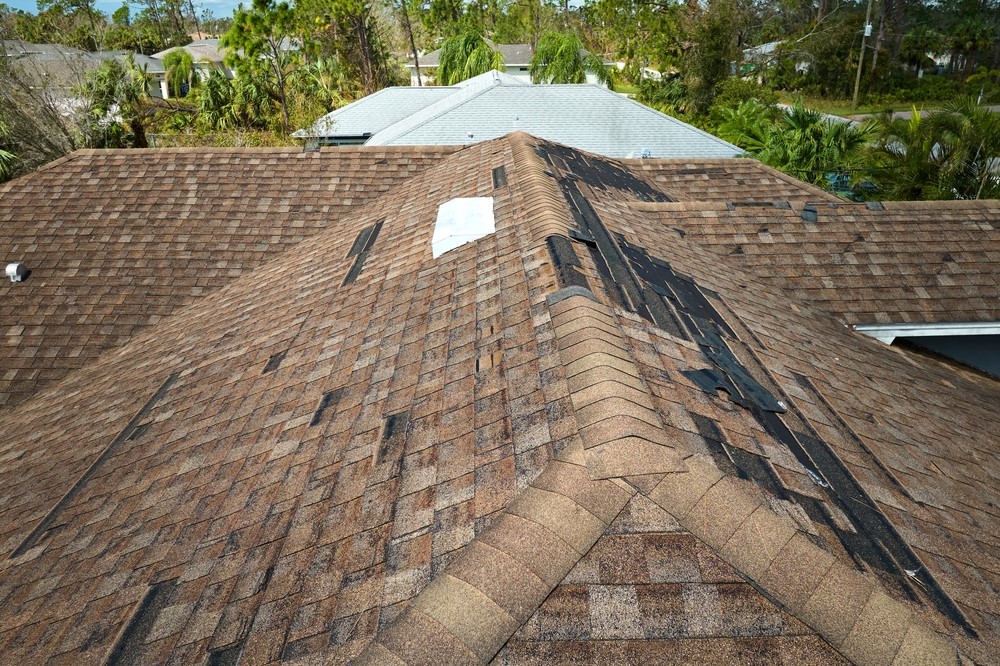
After a storm, homeowners should look for missing shingles, flashing damage, granules in gutters, and interior leaks. Even storms that seem minor can leave behind hidden roofing problems that worsen over time. High winds, hail, and heavy rain can weaken your roof and create issues that may not appear until weeks or months later.
At TIMEPROOFUSA, we help homeowners identify roof storm damage signs before they turn into expensive structural repairs. Storms throughout late fall, winter, and spring often expose weak roofing systems through repeated rain, freeze and thaw cycles, and strong winds. A professional roof inspection after storm activity is one of the best ways to protect your home and avoid long-term damage.
5 Signs Your Roof Has Storm Damage
Storm damage is not always obvious from the ground. Some issues develop slowly, especially after hail or wind events. Knowing what to look for can help you catch problems early.
Missing or Lifted Shingles
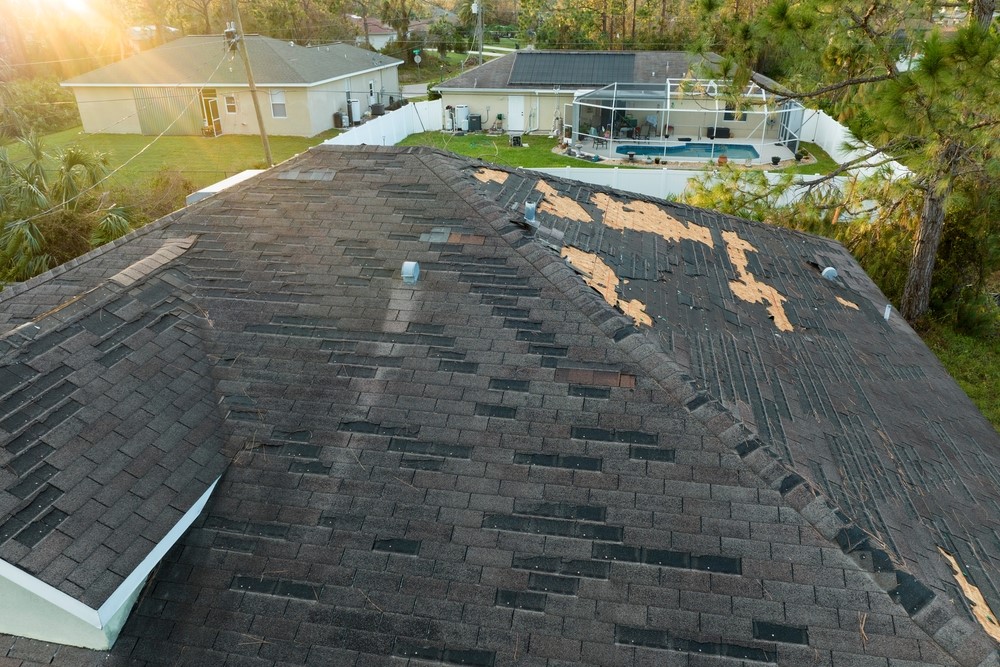
Strong winds can loosen or completely remove shingles. Even shingles that appear attached may have lifted edges that allow water to seep underneath. Over time, this can lead to leaks and wood rot.
If you notice bare spots on your roof or shingles scattered around your yard, you may need wind damage roof repair before the next storm hits.
Granule Loss in Gutters
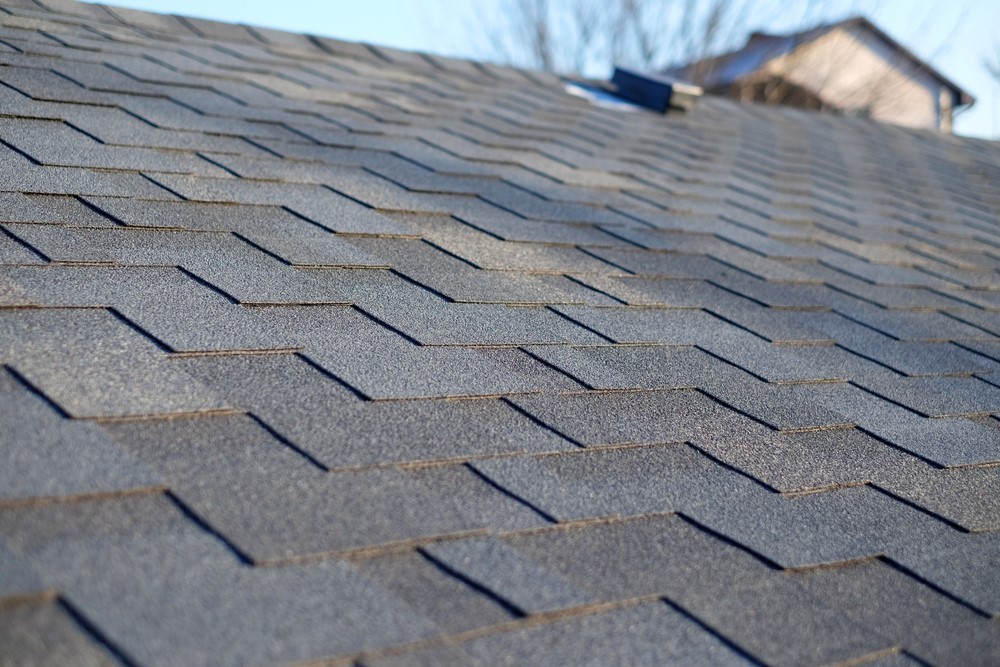
Asphalt shingles are coated with protective granules that shield the roof from weather and UV exposure. Hail and heavy rain can knock these granules loose.
One of the most common hail damage roof signs is finding excessive granules collecting inside your gutters or downspouts. Granule loss weakens shingles and shortens the life of your roof.
Damaged Flashing
Flashing protects vulnerable areas around chimneys, vents, and roof valleys. Storms can loosen, bend, or crack flashing, allowing water to enter your home.
Damaged flashing often leads to leaks that spread into ceilings, walls, and insulation. Because flashing problems are harder to spot, a roof inspection after storm activity is important.
Water Stains or Attic Moisture
Storm damage does not always show up on the outside first. Interior signs are often the earliest warning that water is entering your home.
Watch for:
- Water stains on ceilings or walls
- Damp attic insulation
- Mold or mildew smells
- Dripping water after heavy rain
These are strong roof storm damage signs that should never be ignored.
Debris and Leaks After Heavy Rain
Branches, leaves, and debris left behind after storms can trap moisture against your roof. This increases the risk of leaks and shingle deterioration.
If you notice leaks after heavy rain, there may already be hidden storm damage that requires immediate attention.
Why Small Storm Damage Gets Worse
Minor roof damage can quickly become a larger problem if left untreated. Wind and hail may create small openings that allow water into your roofing system. Over time, this moisture can damage decking, insulation, and even your home’s structure.
Freeze and thaw cycles during colder months can make the situation worse. Water enters small cracks, freezes, expands, and creates even larger gaps. By spring storm season, what started as a simple repair may require storm damage roof replacement.
According to NOAA, severe thunderstorms and high wind events are among the leading causes of roof damage claims in the Midwest and Southeast. That is why early detection matters.
Repair vs. Replace: Quick Comparison
Homeowners often wonder whether storm damage requires repairs or full replacement. The answer depends on the extent of the damage and the age of the roof.
Repairs are usually appropriate when damage is isolated to a small section of the roof, such as a few missing shingles or minor flashing issues.
Storm damage roof replacement may be recommended when:
- Damage affects multiple areas of the roof
- There are recurring leaks
- The roof is nearing the end of its lifespan
- Structural damage or widespread hail impact is present
A professional inspection helps determine the safest and most cost-effective solution.
FAQ About Storm Roof Damage
How soon should I inspect my roof after a storm?
It is best to schedule a roof inspection after storm activity as soon as conditions are safe. Early inspections help identify hidden damage before leaks and structural issues develop.
Can hail damage cause leaks later?
Yes. Hail can weaken shingles and remove protective granules without causing immediate leaks. Over time, these damaged areas become vulnerable to water intrusion.
Will insurance cover storm damage?
Many homeowner insurance policies cover storm-related roof damage caused by hail, wind, or fallen debris. Coverage depends on your policy and the extent of the damage.
Protect Your Home with a Professional Roof Inspection
Storm damage is not always easy to spot, but ignoring it can lead to costly repairs down the road. Missing shingles, flashing damage, attic moisture, and gutter granules are all warning signs that your roof may need attention.
At TIMEPROOFUSA, we provide detailed inspections to help homeowners identify hidden storm damage and understand their repair or replacement options. Whether you are dealing with hail damage roof signs or need wind damage roof repair, our team is here to help.
Schedule a professional storm damage inspection before small problems become major repairs.
Tags
Subscribe to TIMEPROOFUSA's Blog









Comments